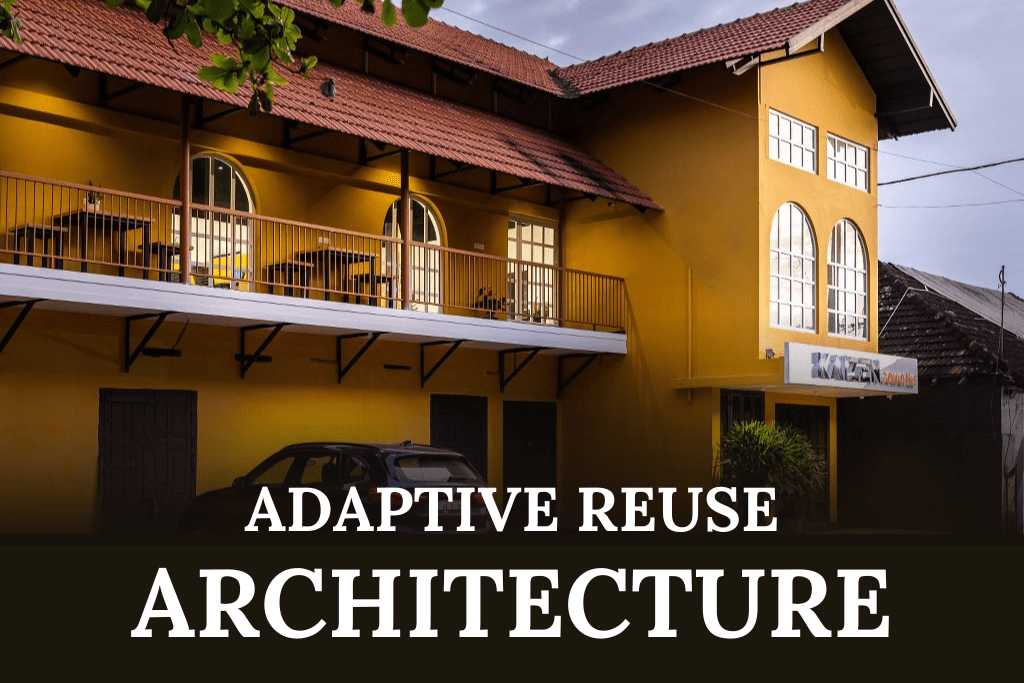
In an era increasingly focused on sustainability and responsible development, adaptive reuse has emerged as a powerful trend in architecture. This ingenious approach breathes new life into existing structures, transforming them from underutilized relics of the past into vibrant, functional spaces that cater to contemporary needs. Adaptive reuse goes beyond mere renovation; it’s about reimagining the purpose of a building while preserving its history and character.
The core concept is deceptively simple: taking older buildings and repurposing them for a different use. This can involve transforming a grand art deco bank into a swanky restaurant, a hulking industrial warehouse into a chic apartment complex, or even a historic church into a bustling community center. The possibilities are truly endless, and the benefits are multifaceted.
Preserving Our Heritage
One of the most compelling reasons for adaptive reuse is its ability to safeguard our architectural heritage. Historic buildings tell stories about the communities they were built in, reflecting the architectural styles and innovations of their time. By giving these structures a new lease on life, we ensure that these narratives are not lost to demolition and new construction. Adaptive reuse allows us to appreciate the craftsmanship and artistry of the past while integrating them seamlessly into the present.
A Sustainable Approach
The construction industry is a major contributor to environmental concerns. Demolishing old buildings creates a significant amount of waste and requires the extraction of virgin resources for new construction projects. Adaptive reuse offers a far more sustainable alternative. It reduces the need for new materials, lowers the embodied energy (the energy used throughout a building’s life cycle) associated with construction, and minimizes landfill waste. Additionally, existing buildings often have inherent advantages – thicker walls for better insulation, for instance – that can contribute to improved energy efficiency in the reimagined space.
Economic Boon for Communities
Adaptive reuse projects can inject new life into neglected areas. By transforming abandoned buildings into functional spaces, these projects can revitalize neighborhoods, attract new businesses and residents, and boost the local economy. Furthermore, adaptive reuse projects can be more cost-effective than new construction, as they often utilize existing infrastructure and require less demolition work. This can lead to quicker project completion times and potentially lower rents or property values, making the reimagined spaces more accessible to a wider range of users.
A Catalyst for Creativity
The unique architectural features and inherent character of existing buildings present exciting design challenges and opportunities for architects. Adaptive reuse projects demand creativity and a thoughtful approach that balances preservation with modern functionality. Architects must find ways to incorporate new features and amenities while respecting the historical integrity of the structure. This often results in stunning designs that blend the old with the new, creating visually captivating spaces that retain a sense of history.
Examples of Marvelous Transformations
Across the globe, countless examples showcase the transformative power of adaptive reuse. In Chicago, the historic Macy’s department store on State Street has been reborn as a vibrant mixed-use complex, with retail space, offices, and a contemporary art museum all housed within the iconic Beaux-Arts building. In Prague, the former bank headquarters of the Austro-Hungarian Empire now dazzles as a luxurious hotel, boasting a rooftop bar with breathtaking city views. Here in India, Mumbai’s iconic Chhatrapati Shivaji Maharaj Terminus, a UNESCO World Heritage Site, continues to serve as a bustling railway station while also housing a museum showcasing its rich history.
Challenges and Considerations
While the benefits of adaptive reuse are undeniable, it’s important to acknowledge the challenges involved. These projects can be complex, requiring careful evaluation of the existing structure’s integrity and potential for adaptation. Strict adherence to building codes and safety regulations can impose limitations on the design. Additionally, integrating modern amenities like elevators and HVAC systems into older buildings can be a significant undertaking.
A Sustainable Future for Our Cities
Despite the challenges, adaptive reuse presents a compelling vision for the future of our cities. It allows us to build upon our existing infrastructure, minimize environmental impact, and create vibrant, character-rich spaces. As we move towards a more sustainable future, adaptive reuse is poised to play a critical role in shaping our built environment, ensuring a future where history and innovation can coexist in perfect harmony.
 Site Title
Leave a comment