Table of Contents
Material and texture in design have a remarkable influence on our minds. For humans, perceiving a colorless, and a textureless surface is difficult. Each surface around us has some or the other color, texture, pattern, or form. Be it a living body like ours, animals, plants, or any object, each comprises at least one of these fundamental elements. To exemplify, water is said to be formless and colorless, but we can perceive it in the shades of blue due to the reflection of the sky, and we therefore, associate water with the color blue. Thus, the influence of these elements allows the human brain to perceive and comprehend objects and surfaces. But what are these elements and what role do they play in design?
According to the Architect Julia Morgan “Architecture is a visual art, and the buildings speak for themselves.” Hence, it is believed that the visuals tend to narrate the story of a space effectively. Not only architecture, but interior design is also an art of storytelling through its design and aesthetics. Aesthetics has always been a crucial factor in design. The more attractive an object looks the more eyes it catches. For instance, a room can be transformed into an enchanting and interactive space with a strategic and cohesive interplay of materials, textures, and patterns in design. Materials and textures in design not only interact with our tactile senses but also our emotions. Colors, and textures are associated with emotions and hence have the ability and power to evoke them. Let us delve deeper into exploring the role and power of elements as design tools.
Role Of Materials In Shaping The Design Aesthetics
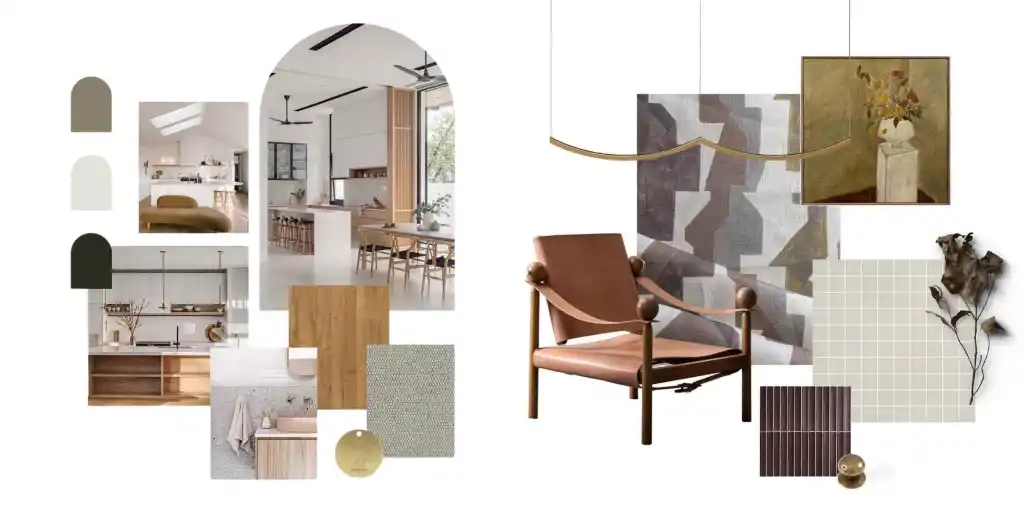
Innovation in architecture and design is constant. New styles and materials get up the racks in the market widening the scope of creativity for designers. The art of Interior design is like transforming a blank canvas of space with vibrant colors, textures, materials, and many more. Then how do materials impact the design aesthetics? Design aesthetics and materials go hand in hand. For years, designers have been carefully using materials to shape design as a way of adding life to the room. Materials give character to a structure or a space and impart a significant impression. It adds depth to the appearance of any surface distinguishing it from other surfaces.
Materials are associated with particular styles and themes. How a material appeals to the eye can contribute to various feelings of comfort, warmth, or stress and unease. The use of wood portrays a traditional character and warmth. Whereas, if we use glass, it portrays a sense of transparency and modernism. Therefore, careful selection of materials is crucial to achieve the desired character and aesthetics of a space or a built structure.
Influence of Textures On Design Aesthetics
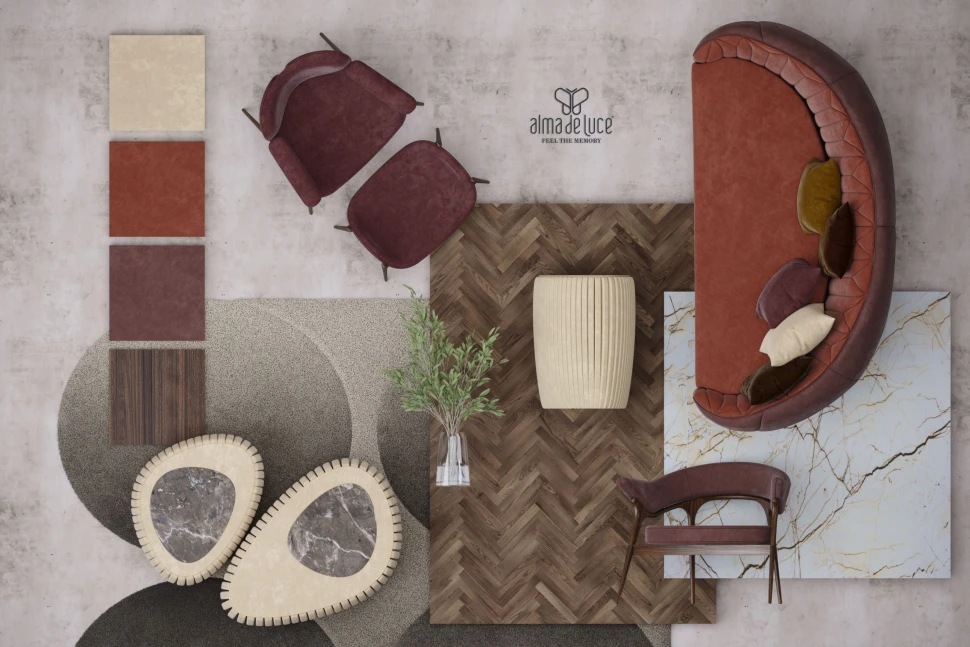
One of the most powerful of the five senses is touch. We perceive things not only through eyes but also through touch. What materials bring along are textures. But how do you define them? Textures refer to the characteristics and appearance of a surface portrayed through visual and physical touch. Hence, the Role of textures in interior design projects determines how a person interacts with the space.
Textures are the visual and tactile quality of materials. Textures not only improve visual aesthetics but also play with our tactile senses. For instance, wood portrays a rough visual texture, whereas exposed brick has a rough tactile quality. These materials and textures together give an edgy theme. Similarly, a smooth glass and a soft fabric together bring out a mellow and calm vibe. The way a surface feels through touch can immensely alter and dictate our experience of a space.

Patterns and Design Aesthetics
Similar to materials, there are endless possibilities for Creative design with patterns. A pattern is a design language curated by repetition of certain forms, lines, curves, surfaces, and colors. Contemporary architecture and modern design are the new-age styles of architecture. This style of architecture involves minimalistic design. Contemporary architecture is all about patterns and textures.
The influence of patterns and textures in modern design is immense. These elements help curate an aesthetically appealing design and add depth, movement, and dimension to the space, and evoke emotions. Let us explore patterns in modern architecture with some examples. Geometric patterns give a sense of balance and order whereas curves add fluidity and movement. Bold Patterns with dynamic shapes and edges bring a sense of unsettling whereas floral patterns evoke a sense of tranquility and calmness.
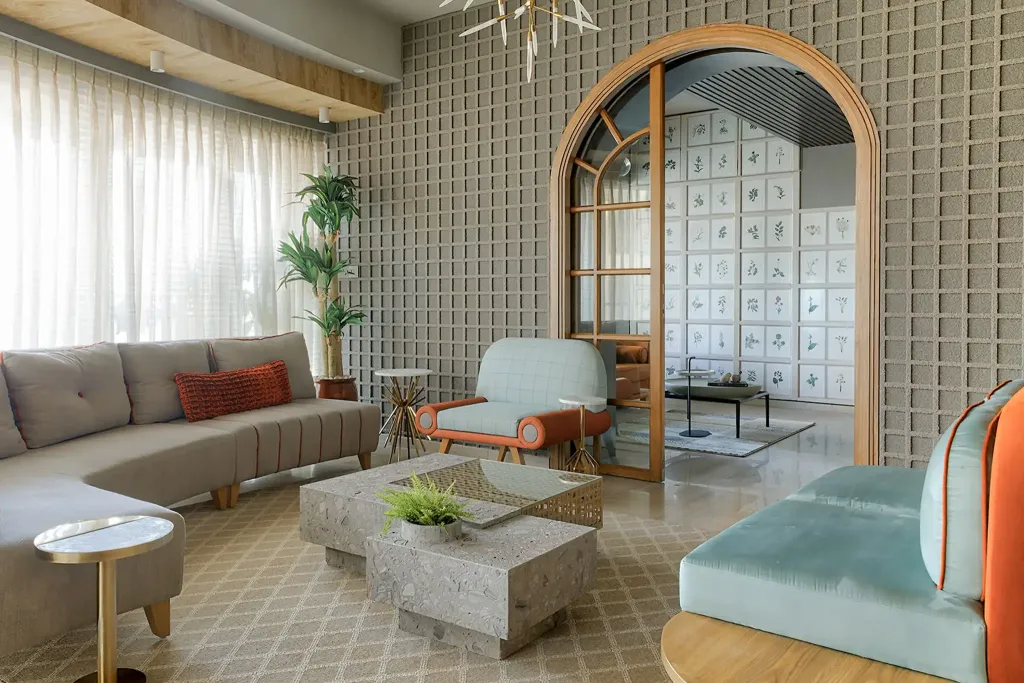
Design is all about creating an aesthetic structure or a space by amalgamation of colors, materials, textures, and patterns. The use of more than one element helps break the monotony and adds a sense of layering to create a visual interest. Ergo, Materials, Textures, and Patterns are pivotal in shaping the design aesthetics. These elements can make or break a space.
 Site Title
Leave a comment