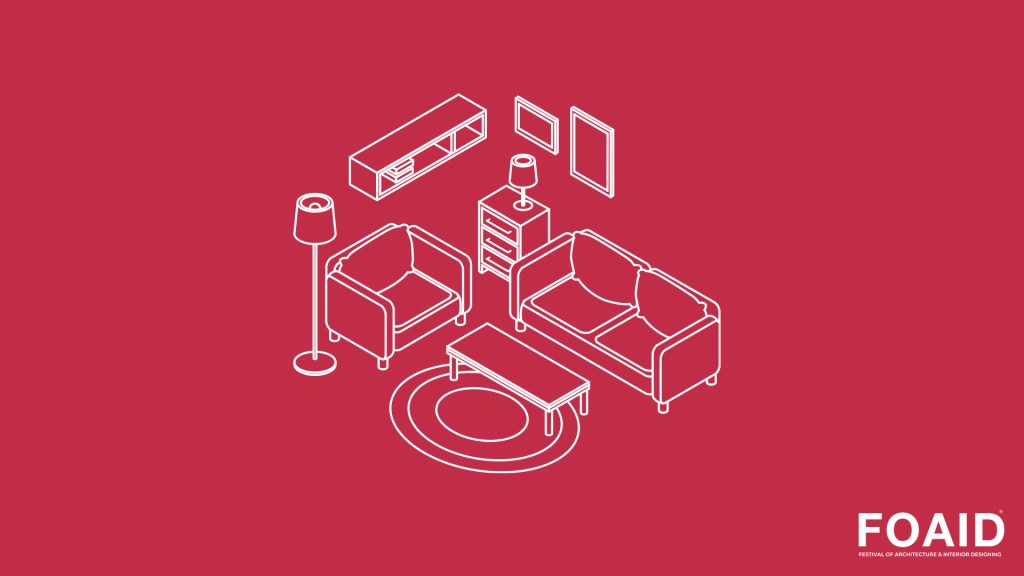
Spaces are something that if thoughtfully designed, have the power to evoke a sense of warmth, peace and serenity. Shaping a space doesn’t mean confining it into a single aesthetic, rather it’s about curating a space that reflects your sensibilities and personality. Be it bold or expressive, soft or understated, the true essence of interior design lies in balancing the seven key elements i.e. Space, Line, Form, Light, Color, Texture, and Pattern. These 7 characteristics play a key role in creating an environment that resonates with your lifestyle, emotions and aspirations.
A good design makes the best use of space while being practical and stylish at the same time. From smart storage to multi-purpose furniture, a well-planned home keeps the space tidy and comfortable. More than just a roof, people want their home to grow with them, and these seven elements help create that, offering both stability and freedom in daily life.
Our surroundings have a vital effect on the way we feel and live. As life evolves, so do our needs, and the place we call home should bring comfort, help us relax, and reflect who we truly are. Since homes today are more than just a place to rest, they need to be flexible while catering to different needs, from work to relaxation. Here are seven key elements that can help you achieve that balance.
Space
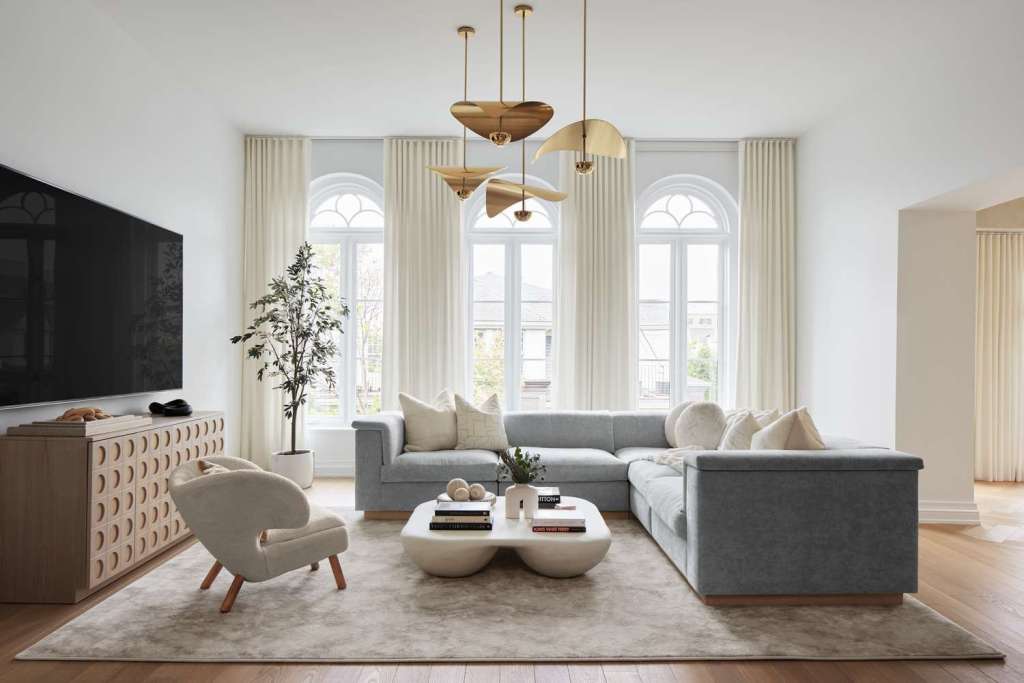
Space in interior design is considered the empty canvas. It is where the art begins; everything is designed according to space be it furniture, art, colors etc. It includes positive space, which is filled with furniture and decor, and negative space, which allows for easy movement and creates balance and flow. Whether you want an open and airy feel or a cozy and intimate setting, the right use of space helps achieve the desired look.
Line
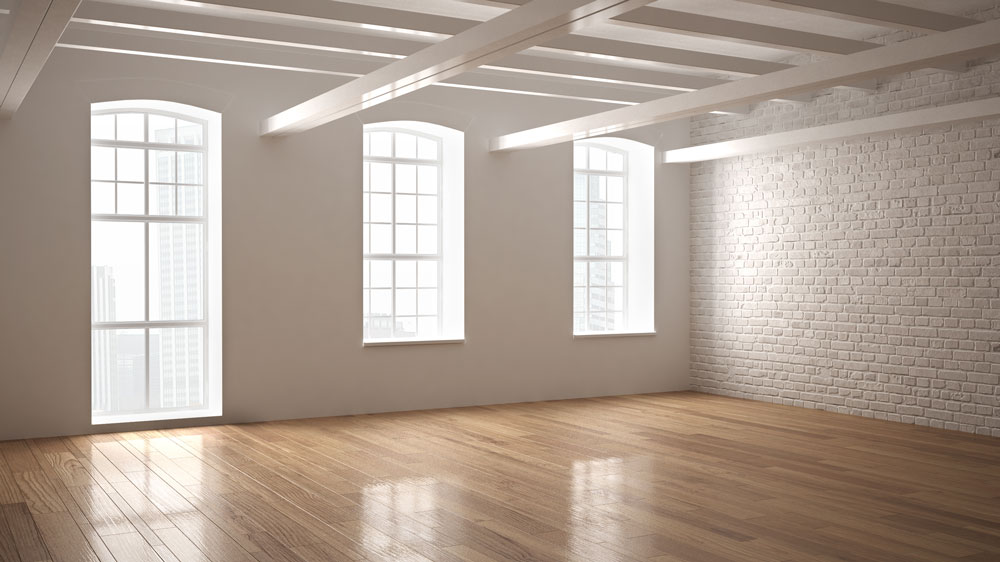
Lines in a room guide the eye and shape the overall look and feel of a space. These can be natural lines like walls or created through design elements like furniture and windows. Vertical lines from door frames or wardrobes add height to the space, while the horizontal lines in furniture draw attention to a focal point. The balance of different lines is crucial, as these lines are fairly responsible in setting the right mood of a space. Unparallel lines like those in the staircase, can draw attention for longer but should be used in moderation to avoid visual clutter.
Form

Form includes the structure of furniture, decor, and architecture, creating balance and harmony. Geometric forms with angular features and sharp edges create a contemporary feel , while curved and organic shapes bring softness and fluidity. A mix of different forms makes a space visually appealing and functional. Form helps create a well-designed and inviting interior.
Light
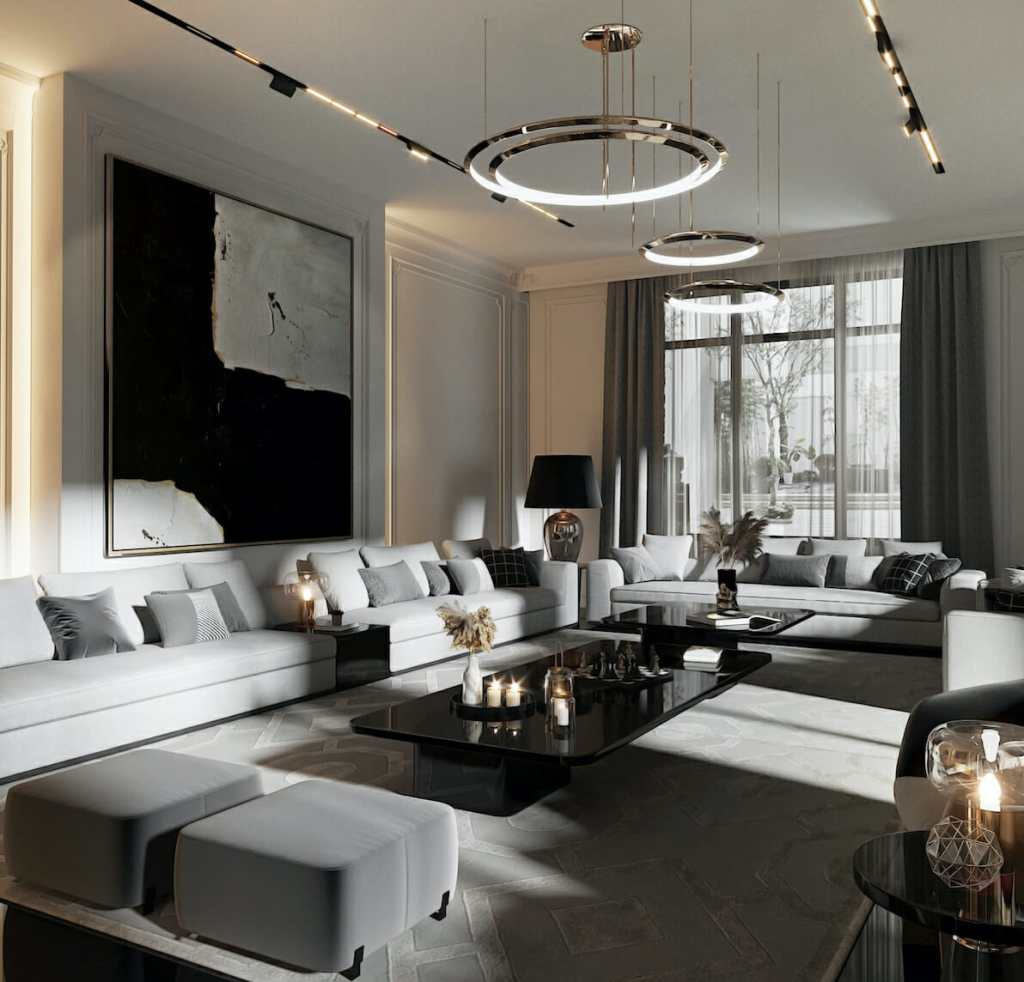
Light is what considered to be the main character of a space. It is differentiated with two different aspects: natural and artificial. While natural light seems to be fixed and available only for a limited time, it can be controlled through blinds, curtains or enhanced by using mirrors to maximize the brightness.
Artificial lighting includes ambient lighting for general illumination, accent lighting to highlight features, task lighting for specific activities like cooking or reading and dimmer switches to adjust the mood. Also the choice of fixtures adds to the overall aesthetic of the room.
Color
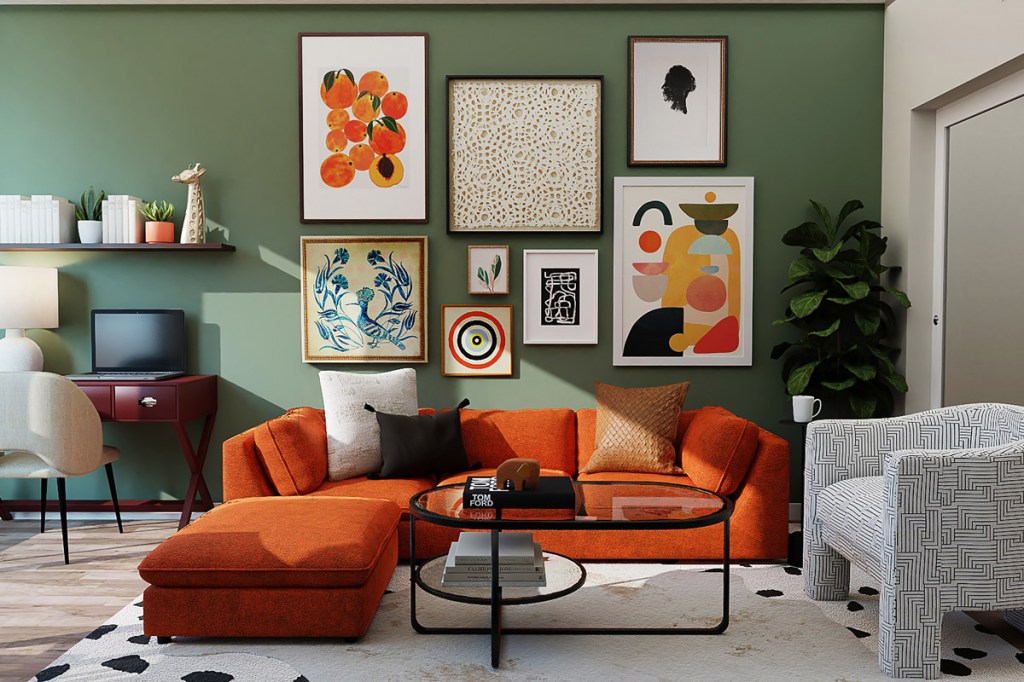
Color is not just important to create the mood of a space, it is what makes or breaks the overall atmosphere of a space. Depending on the color we choose, they have the ability to make a room feel warm and spacious, cozy and inviting, while light shades if chosen can add openness and airiness. Beyond aesthetics, color can also be a powerful tool to minimize architectural flaws, counseling awkward angles, slanted ceilings, or merging structural elements like beams subtly into the design.
Texture
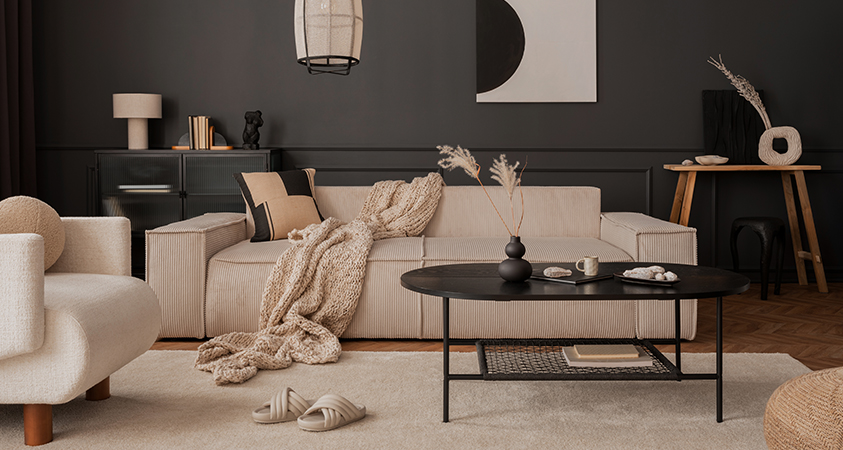
Texture adds dimension and tactile appeal to a space. It enhances the visual interest, creates contrast and prevents a room from looking flat and monotonous. A balanced mix of texture like smooth and rough, soft and hard glossy and matt makes the space feel lively and welcoming.
Whether added through textile, furniture or finishes a well balanced use of texture adds up to the dimension, depth and personality of a space. Texture also impacts on how the light bounces and spreads within a space. For instance rough materials like exposed brick and natural wood adds a rustic feel, while smooth and polished surfaces like lacquer and marble adds a sleek and luxurious touch.
Pattern
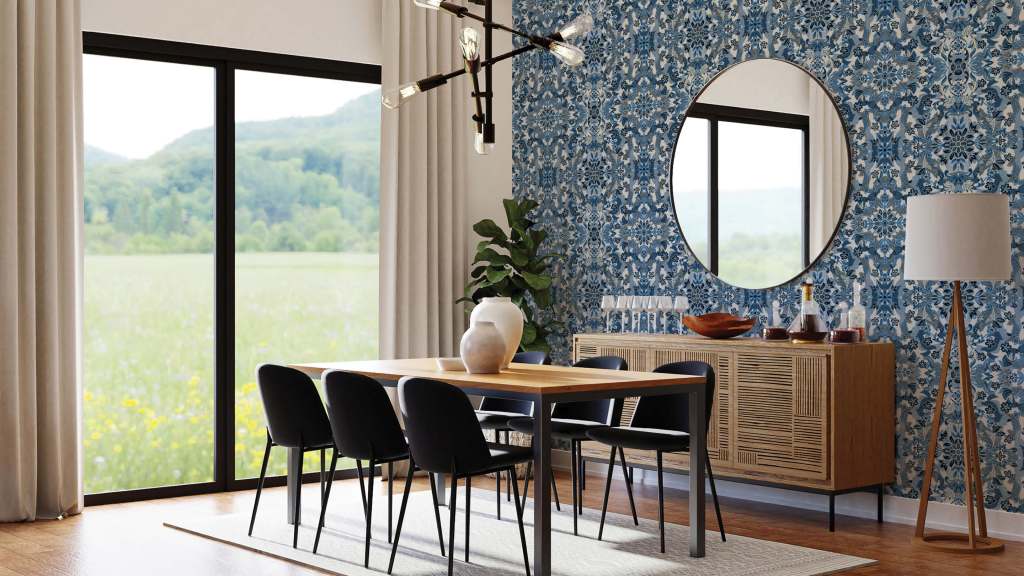
Pattern is what distinguishes a space. It can be introduced through wallpapers, floorings, and most importantly, textiles to enhance visual interest, and to create a sense of movement. They help bring the space together, be it through soft textures and minimal patterns for classy and elegant look or bold designs that catch the eye.
They also have a vital impact on how the space visually feels like vertical prints make the space look taller and horizontal patterns make the space look wider. When used well patterns make the space feel both stylish and practical.
Conclusion
All seven elements work together to create a balanced, functional and visually appealing space. Each element has its own importance blending them smartly can create an environment that enhances daily living, makes the home inviting and also aesthetically pleasing. Together they create a home that is both beautiful and connected to people who inhabit it.
 Site Title
Leave a comment