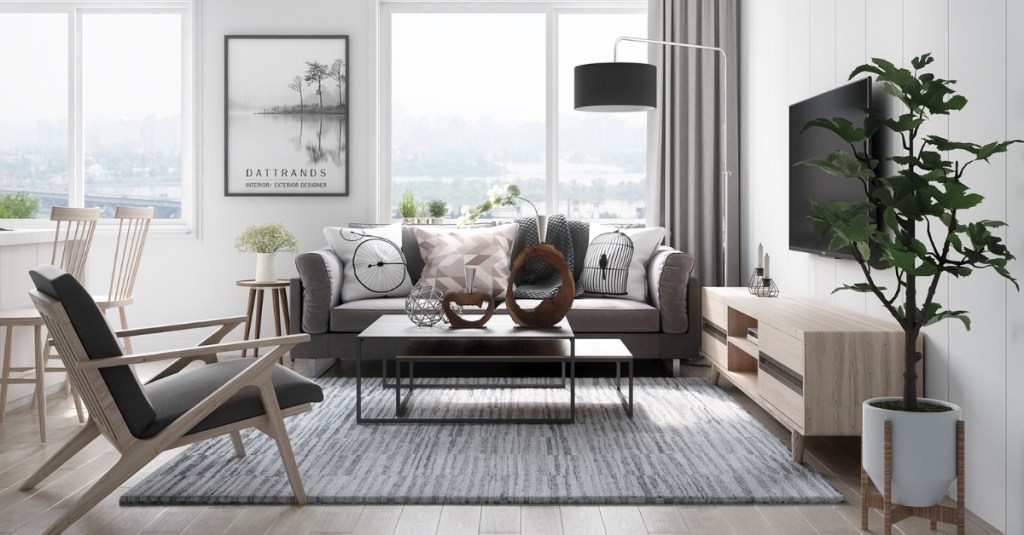
Walk into a Scandinavian home, and you’ll notice something remarkable — it feels instantly calm. The walls are light, the air is open, and there’s a quiet warmth that makes you want to stay a while. Scandinavian interior design isn’t just a style; it’s a philosophy of living that combines functionality, simplicity, and beauty in perfect harmony.
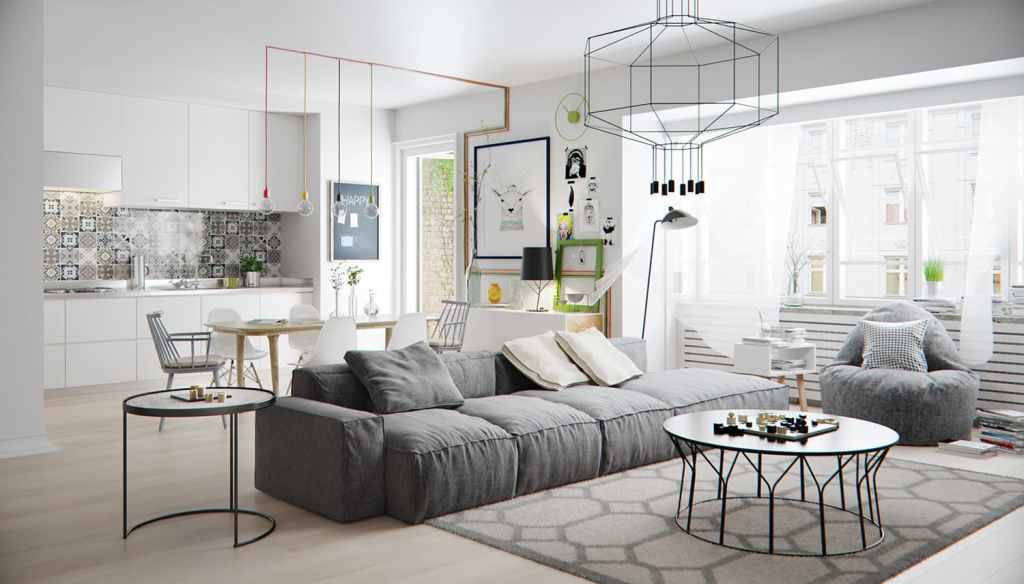
The Nordic Origins of Scandinavian Design
Scandinavian design emerged in the early 20th century in the Nordic countries — Denmark, Sweden, Norway, Finland, and Iceland. These regions are known for their long winters and limited daylight, which shaped a design approach that prioritizes light-filled interiors, uncluttered spaces, and a deep connection to nature.
The movement gained global recognition in the 1950s through exhibitions and furniture design pioneers like Arne Jacobsen, Alvar Aalto, and Hans Wegner, who combined modernist principles with Nordic craftsmanship.
At its core, Scandinavian design reflects two key cultural values:
- Lagom — the Swedish concept of “just the right amount”
- Hygge — the Danish idea of coziness and comfort
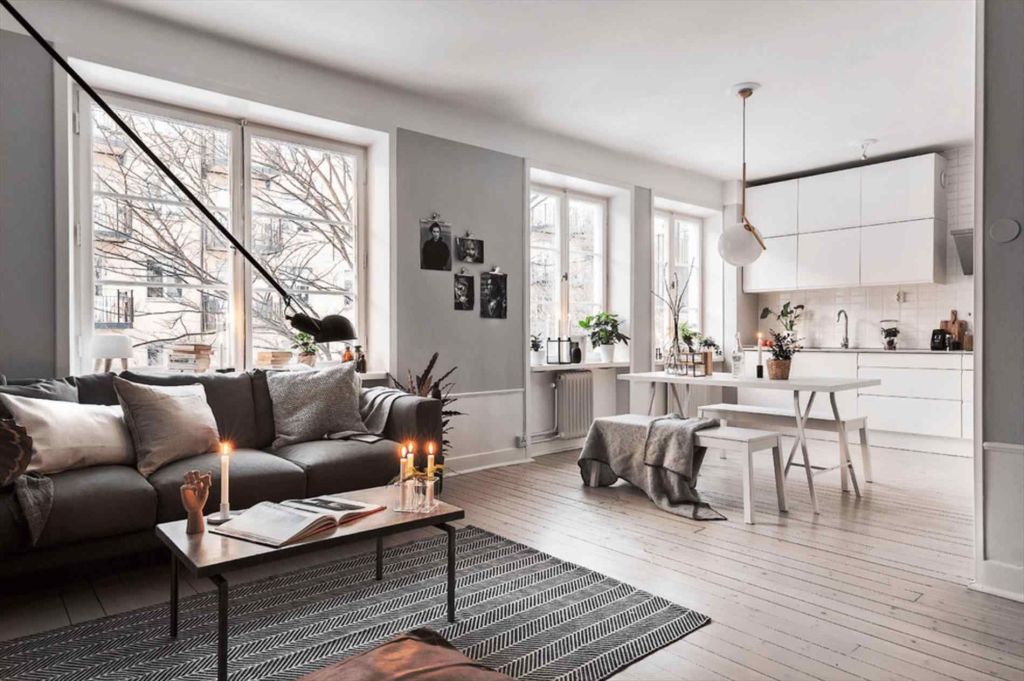
Core Features of Scandinavian Interior Design
1. Light, Airy Color Palette
White walls dominate Scandinavian interiors to reflect and amplify natural light. Soft grays, muted blues, and beige tones often join the palette for a soothing effect.
2. Natural Materials
Wood is central — especially pale varieties like ash, birch, and pine. Materials like leather, linen, wool, and stone add organic warmth.
3. Functional Furniture
Form follows function. Scandinavian furniture features clean lines, minimal ornamentation, and practical design — each piece has a clear purpose.
4. Maximizing Natural Light
Large windows, sheer curtains, and uncluttered spaces ensure every bit of daylight is used, countering the darkness of long winters.
5. Cozy Layering
To balance minimalism, the style uses warm textiles — knitted throws, sheepskin rugs, and cushions — to create inviting, tactile spaces.
6. Indoor Greenery
Plants bring life and color to interiors, reinforcing the connection to nature and softening sleek lines.
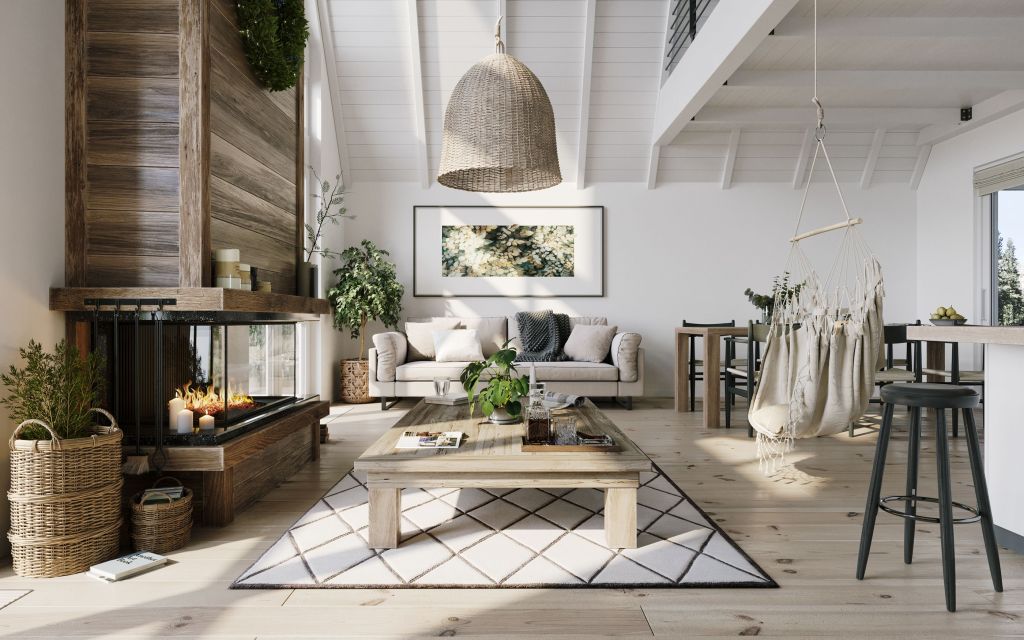
The Psychology Behind Scandinavian Interiors
Scandinavian interiors are designed to reduce visual stress. By minimizing clutter, using a soft palette, and emphasizing natural light, the style promotes mental calmness. The presence of organic textures and natural materials fosters a sense of grounding — making a home feel both fresh and comforting.
Also Read – Top 20 Hall Colour Combinations for Walls: Transform Your Living Space in Style
Blending Scandinavian with Other Styles
One of the reasons Scandinavian design remains so relevant is its ability to blend seamlessly with other aesthetics. Pair it with Japanese minimalism and you get Japandi — a calm, earthy fusion of Nordic lightness and Japanese zen. Combine it with Bohemian style, and you get a warmer, more colorful take that still feels airy. Even industrial lofts can benefit from Scandinavian touches, where sleek wood furniture and soft textiles balance exposed concrete and metal.
This adaptability means you don’t have to go “full Nordic” to enjoy its benefits — just a few carefully chosen elements can transform your space.
Scandinavian Living Beyond Interiors
While we often talk about Scandinavian design in the context of furniture and décor, it’s also about how you live in the space. It encourages slow mornings with coffee by the window, family dinners without distraction, and an appreciation for craftsmanship in everyday objects — from a handmade mug to a woven rug.
It’s a lifestyle that values connection over consumption and quality over quantity. Your home becomes a place to recharge, reflect, and gather — rather than just a showroom of trendy pieces.
Sustainability at the Core
Sustainability is not just a trend in Scandinavian design — it’s been part of it for decades. Nordic countries have long championed eco-friendly materials, energy-efficient designs, and furniture meant to last for generations. Many designers source wood from responsibly managed forests, use organic fabrics, and encourage repairing or repurposing old items instead of discarding them.
For homeowners today, adopting Scandinavian design often means making more mindful, planet-friendly choices — a design philosophy that feels both modern and necessary.
How to Bring Scandinavian Style Into Your Home
- Choose a Neutral Base – Start with white or off-white walls for brightness.
- Invest in Quality Furniture – Simple, well-crafted pieces that last.
- Layer Textures – Combine wool throws, linen cushions, and soft rugs.
- Use Wood Wisely – Light woods for furniture and flooring create warmth.
- Let Light In – Opt for sheer curtains or no curtains at all.
- Keep it Clutter-Free – Storage solutions should hide unnecessary items.
- Add Nature – Incorporate potted plants or fresh flowers for vibrancy.
Why Scandinavian Design is Timeless
The style’s longevity lies in its adaptability. Whether in a small apartment or a spacious home, Scandinavian interiors work because they are human-centered — designed for comfort, practicality, and beauty. They reflect an appreciation for the simple joys of life: sunlight streaming through a window, the warmth of a knitted blanket, and the quiet elegance of well-made furniture.
 Site Title
Leave a comment