

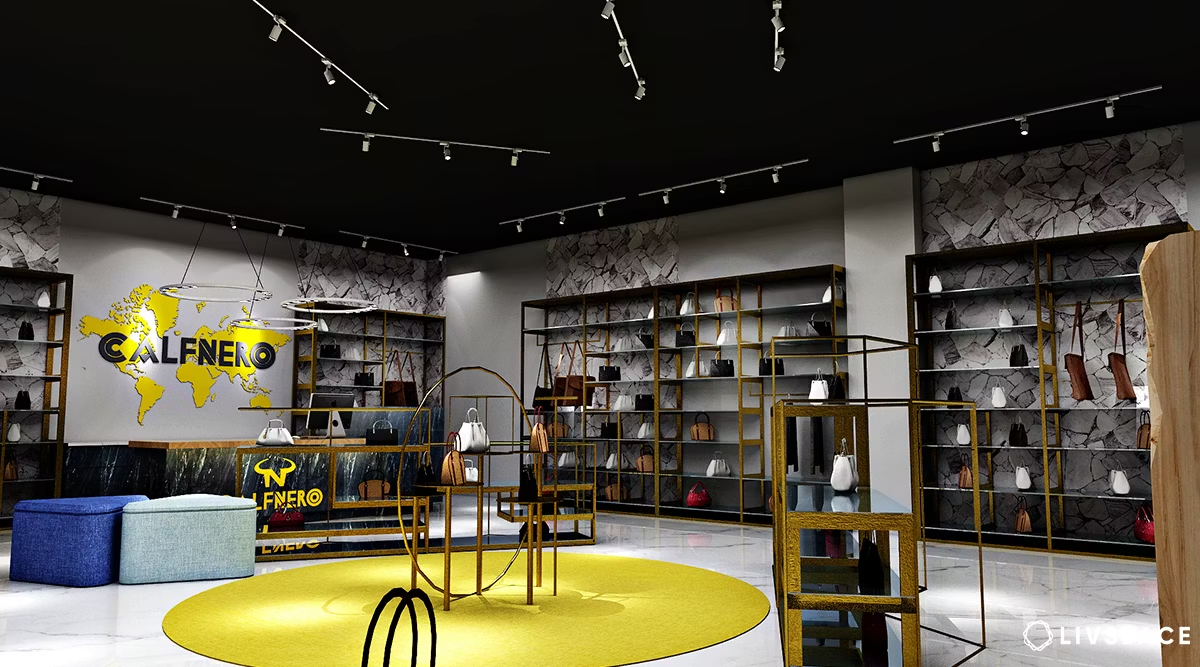

The Rise of Experiential Retail Interior Design
Retail interior design is no longer just about arranging shelves and displaying products. Modern retail spaces are now being transformed into immersive brand experiences that attract customers, increase engagement, and improve sales. As consumer expectations continue to evolve, brands are investing heavily in experiential retail design, interactive store layouts, and customer-focused interiors to create memorable shopping experiences.
Today’s customers are not simply looking to buy products; they want to connect emotionally with brands. This shift has changed the future of retail interior design completely. From luxury retail stores to local lifestyle brands, businesses are redesigning their spaces to reflect identity, storytelling, and customer experience. Retail interior design trends are now focused on creating visually engaging environments that encourage people to spend more time inside stores.
Experience-Driven Retail Spaces Are Changing Consumer Behavior
The biggest retail interior design trend today is the shift from transactional shopping to experience-driven retail spaces. Physical stores are competing with online shopping platforms, so brands are creating unique in-store experiences that cannot be replicated digitally. Customers now expect retail environments to feel interactive, engaging, and personalized.
Retail brands are using sensory design, lighting concepts, interactive displays, and digital installations to build stronger customer relationships. Experiential retail interiors encourage shoppers to explore products naturally rather than feeling pressured to purchase immediately. This approach increases customer retention and strengthens brand loyalty.
Modern retail design concepts also focus on emotional engagement. Stores are carefully designed to create moods through textures, colors, scents, and sound. Whether it is a luxury fashion showroom or a modern electronics outlet, every design element contributes to the overall brand experience.
Store Layout Design Is Becoming More Flexible and Open
One of the most important retail store design trends is the use of flexible and open layouts. Traditional retail interiors often followed rigid floor planning with predictable customer movement. Today, brands are adopting adaptive retail layouts that encourage exploration and social interaction.
Open retail spaces create a more welcoming atmosphere while improving customer circulation. Interior designers are using modular furniture, movable display systems, and multi-functional spaces to make stores more dynamic. This flexibility allows retailers to frequently refresh their store appearance without major renovations.
Modern retail interior architecture also supports hybrid shopping experiences. Many stores now include lounge areas, coffee corners, digital interaction zones, and event spaces. These additions make retail stores feel less commercial and more community-oriented, helping brands build stronger emotional connections with customers.

Technology Integration Is Redefining Retail Interiors
Technology is now a major part of retail interior design trends. Smart retail stores are using digital screens, interactive mirrors, augmented reality, and AI-driven customer experiences to create futuristic shopping environments. Technology integration in retail interiors helps brands merge online and offline shopping seamlessly.
Interactive retail design allows customers to visualize products before purchasing them. Fashion stores are using virtual fitting rooms, while furniture retailers are implementing augmented reality experiences to help customers understand product placement. These advanced retail technologies improve customer confidence and enhance the overall shopping journey.
Digital retail environments also provide personalized experiences. Data-driven retail interiors can recommend products, display customized promotions, and create targeted customer engagement. Smart lighting systems, automated checkout counters, and mobile payment integrations are also becoming essential features in modern retail store design.
Sustainable Retail Interior Design Is Becoming Essential
Sustainability has become one of the strongest retail interior design trends worldwide. Consumers are increasingly supporting eco-conscious brands, and retailers are responding by incorporating sustainable materials and environmentally friendly interior solutions into their stores.
Sustainable retail interiors use recycled materials, energy-efficient lighting, natural textures, and low-impact construction methods. Designers are focusing on biophilic retail design concepts that introduce greenery, natural ventilation, and organic elements into commercial spaces. These features create healthier and more calming shopping environments.
Eco-friendly retail store design also helps brands strengthen their identity. Customers often associate sustainable interiors with authenticity and responsibility. From reclaimed wood fixtures to energy-saving technologies, sustainable retail design is becoming a major competitive advantage in the retail industry.

Luxury Retail Design Is Focusing on Personalization
Luxury retail interior design is evolving rapidly as premium brands aim to create exclusive and highly personalized experiences. High-end retail spaces are no longer designed only to showcase expensive products. Instead, they focus on storytelling, emotional engagement, and customer comfort.
Luxury retail interiors now include private consultation spaces, personalized shopping lounges, and immersive brand storytelling zones. Materials such as marble, brass, velvet, textured stone, and custom lighting are used strategically to create sophistication and exclusivity. Every detail in luxury store design contributes to building a premium customer experience.
Personalized retail experiences also encourage stronger customer loyalty. Many luxury stores are incorporating hospitality-inspired interiors where customers can relax, interact, and engage with the brand beyond shopping. This approach transforms retail environments into lifestyle destinations rather than simple commercial spaces.
Minimalist Retail Interior Design Continues to Dominate
Minimalist retail interior design remains one of the most popular trends because of its clean, sophisticated, and modern appearance. Brands are increasingly using minimalist store layouts to highlight products more effectively while creating calm and organized shopping environments.
Minimalist retail interiors focus on simplicity, neutral color palettes, clean lines, and uncluttered displays. This design strategy improves visual clarity and allows customers to focus entirely on the products and brand identity. Minimal retail spaces also create a premium and contemporary atmosphere that appeals strongly to modern consumers.
Many lifestyle and fashion brands are using minimalist retail design to strengthen brand recognition. A clean and consistent interior design language helps create a memorable shopping experience while supporting visual storytelling and social media appeal.

Social Media-Friendly Retail Spaces Are Driving Foot Traffic
One of the newest retail interior design trends is the rise of Instagram-worthy and social media-friendly retail spaces. Brands understand that visually attractive interiors encourage customers to share their experiences online, which acts as free digital marketing.
Retail interiors are now designed with photo opportunities, artistic installations, statement lighting, and bold visual elements that attract attention on social media platforms. Eye-catching store interiors help brands increase visibility and attract younger audiences who value aesthetics and digital experiences.
Experiential retail design and social media culture now work together closely. A visually engaging retail environment can generate organic online exposure, improve customer interaction, and strengthen overall brand identity. Retail stores are becoming content creation spaces as much as shopping destinations.
Also read – 10 Game-Changing Kitchen Design Trends for Smart and Eco-Friendly Homes
Local Culture and Storytelling Are Influencing Retail Design
Modern retail interior design is increasingly inspired by local culture, heritage, and storytelling. Brands are moving away from generic store concepts and creating interiors that reflect regional identity and authenticity. This approach helps establish emotional connections with local customers while making retail spaces more unique.
Cultural retail design includes the use of local materials, traditional craftsmanship, regional art, and context-driven storytelling. Whether it is a boutique fashion store or a lifestyle retail outlet, integrating cultural narratives creates a stronger sense of place and authenticity.
Storytelling in retail interiors also strengthens brand identity. Customers are more likely to remember stores that offer meaningful experiences and authentic narratives. This trend is especially visible in hospitality-inspired retail environments, concept stores, and premium lifestyle brands.

Multi-Sensory Retail Design Is Enhancing Customer Engagement
Retail interior designers are now focusing heavily on multi-sensory experiences to improve customer engagement. Modern retail spaces stimulate sight, sound, smell, touch, and even taste to create immersive environments that leave lasting impressions.
Lighting design plays a major role in shaping customer emotions and highlighting products effectively. Soundscapes and curated music enhance the mood of retail environments, while signature scents help brands create memorable identities. Texture-rich interiors and tactile materials further improve sensory engagement.
Multi-sensory retail design increases emotional connection and encourages customers to spend more time inside stores. This strategy not only improves customer satisfaction but also increases purchase potential and brand recall.

The Future of Retail Interior Design
The future of retail interior design will continue to focus on experience, personalization, sustainability, and technology integration. As shopping habits evolve, physical stores will increasingly function as experiential destinations where customers can connect with brands on a deeper level.
Retail stores are becoming hybrid environments that combine shopping, entertainment, hospitality, and community interaction. Designers are creating adaptive retail interiors that can evolve quickly with changing consumer behavior and market trends. The emphasis on immersive retail experiences will continue to shape the future of commercial interior design.
Brands that invest in innovative retail interior concepts will gain a strong competitive advantage in the rapidly changing retail market. Whether through sustainable design, experiential layouts, or digital integration, modern retail interiors are proving that physical stores still play a powerful role in shaping customer experiences.
Conclusion
Retail interior design trends are transforming stores into immersive brand experiences that go far beyond traditional shopping. Modern retail spaces are now designed to engage customers emotionally, encourage social interaction, and strengthen brand identity. From sustainable retail interiors and smart technology integration to minimalist aesthetics and experiential design, the retail industry is redefining how physical stores function in today’s competitive market.
As brands continue to prioritize customer experience, retail interior design will remain a powerful tool for attracting audiences, increasing engagement, and building long-term loyalty. The future of retail spaces lies in creating environments that are visually compelling, emotionally engaging, and deeply connected to the brand story.


