


Introduction
Sustainable architecture and interior design are rapidly gaining momentum as the world becomes more conscious of environmental impacts. This comprehensive guide aims to provide an in-depth understanding of sustainable practices in architecture and interior design, highlighting their significance, principles, and implementation strategies. Whether you are a professional in the field or an enthusiast looking to make environmentally friendly choices, this guide will offer valuable insights into creating spaces that are both aesthetically pleasing and ecologically responsible.

Understanding Sustainable Architecture
What is Sustainable Architecture?
Sustainable architecture, also known as green architecture, focuses on minimizing the environmental impact of buildings by enhancing efficiency and moderation in the use of materials, energy, and development space. This practice involves a holistic approach to design, construction, and operation, ensuring that the built environment harmonizes with the natural environment.

Key Principles of Sustainable Architecture
- Energy Efficiency: Utilizing renewable energy sources such as solar, wind, and geothermal power. Designing buildings to maximize natural light and ventilation, thereby reducing the need for artificial lighting and climate control systems.
- Water Conservation: Implementing systems for rainwater harvesting, greywater recycling, and low-flow fixtures to reduce water consumption.
- Material Selection: Choosing sustainable, non-toxic, and locally sourced materials. Prioritizing recycled and recyclable materials to reduce waste and environmental footprint.
- Site Selection and Land Use: Selecting sites that minimize environmental disruption. Integrating green spaces and preserving natural habitats.
- Waste Reduction: Designing for durability and adaptability to extend the lifecycle of buildings. Implementing construction waste management plans to recycle and reuse materials.

Benefits of Sustainable Architecture
- Environmental Benefits: The Benefit of Sustainable Architecture reduced carbon footprint, conservation of natural resources, and minimized waste.
- Economic Benefits: Lower operating costs through energy and water savings, potential tax incentives, and increased property value.
- Social Benefits: Improved indoor air quality, enhanced occupant health and well-being, and a positive community impact.

Implementing Sustainable Architecture
Design Strategies
- Passive Solar Design: Orienting buildings to take advantage of natural sunlight for heating and daylighting.
- Green Roofs and Walls: Installing vegetation on roofs and walls to provide insulation, reduce heat island effect, and support biodiversity.
- High-Performance Insulation: Using advanced insulation materials to maintain thermal comfort and reduce energy use.
- Efficient HVAC Systems: Implementing energy-efficient heating, ventilation, and air conditioning systems to minimize energy consumption.

Sustainable Architecture Building Certifications
- LEED (Leadership in Energy and Environmental Design): A widely recognized green building certification program that evaluates buildings based on sustainability criteria.
- BREEAM (Building Research Establishment Environmental Assessment Method): An international standard for assessing, rating, and certifying the sustainability of buildings.
- WELL Building Standard: Focuses on building features that impact human health and well-being, complementing other sustainability certifications.

Sustainable Interior Design
What is Sustainable Interior Design?
Sustainable interior design principles integrates environmental considerations into the design process, ensuring that interior spaces are healthy, resource-efficient, and respectful of the natural world. This approach goes beyond aesthetics, encompassing the entire lifecycle of products and materials used in the interior environment.
Key Principles of Sustainable Interior Design
- Material Selection: Choosing eco-friendly, non-toxic, and recycled materials. Prioritizing sustainably harvested wood, low-VOC (volatile organic compounds) paints, and natural fibers.
- Energy Efficiency: Incorporating energy-efficient lighting, appliances, and systems. Utilizing smart home technology to monitor and reduce energy consumption.
- Waste Reduction: Emphasizing durable and timeless design to reduce the need for frequent replacements. Implementing recycling and upcycling practices in design projects.
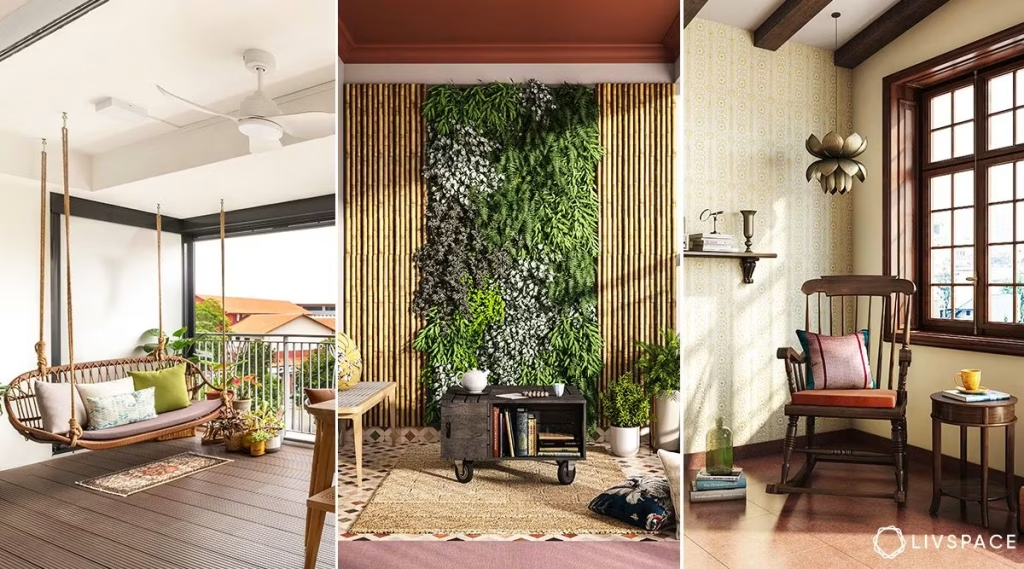
- Indoor Environmental Quality: Ensuring good air quality through proper ventilation, use of low-emission materials, and incorporating plants to improve indoor air.

Benefits of Sustainable Interior Design
- Health and Well-being: The benefit of sustainable interior design is to improved air quality and reduced exposure to harmful chemicals contribute to better health for occupants.
- Environmental Impact: Lower resource consumption and waste generation reduce the overall environmental footprint.
- Economic Savings: Energy-efficient designs and durable materials lead to long-term cost savings.
Implementing Sustainable Interior Design
Design Strategies
- Natural Lighting: The implementation of the sustainable interior design is to maximizing the use of natural light through strategic placement of windows, skylights, and reflective surfaces.
- Eco-Friendly Furniture: Selecting furniture made from sustainable materials and manufactured using environmentally friendly processes.
- Energy-Efficient Lighting: Using LED or other low-energy lighting solutions to reduce electricity use.
- Sustainable Flooring: Opting for flooring materials like bamboo, cork, or reclaimed wood, which have lower environmental impacts compared to traditional options.
Sustainable Interior Design Certification Programs
- LEED for Interior Design and Construction: Certification for sustainable interior design Recognizes sustainable interiors in commercial spaces.
- WELL Building Standard: Certifies interiors that promote health and well-being.
- Green Guard Certification: Ensures products meet strict chemical emissions limits, contributing to healthier indoor environments.

Conclusion
Sustainable architecture and interior design are crucial in the journey towards a more sustainable future. By adopting these practices, we can create buildings and interiors that are not only beautiful and functional but also respectful of the environment. Embracing sustainable principles in design and construction can lead to significant benefits, including reduced environmental impact, improved occupant health, and long-term economic savings. Whether you are designing a new building or renovating an existing space, integrating sustainable strategies is a powerful way to contribute to a greener, healthier world.


